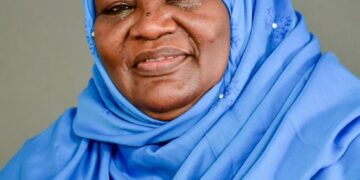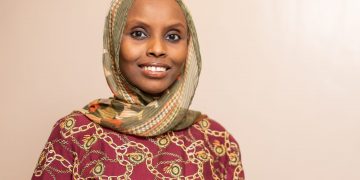


Fatma Wangare Haji is the C.E.O. of Kenya Association for the Intellectually Handicapped; a parent based national organization that works with parents and guardians of youths who are intellectually handicapped. Miss Wangare first joined the organization as a volunteer in 2004, and gained employment in 2007 and later became the C.E.O. in 2008. The organization was started in 1996 by a group of parents, persons with intellectual disabilities and teachers. It was formed to advocate for the rights of persons with intellectual disabilities and their families.
When Fatma Wangare, gave birth to her now twenty seven year old daughter a self- advocate with intellectual disability, she had no knowledge that her daughter suffered from intellectual disability. “When she was born, I did not know that she had intellectual disability, there were no physical signs where in other cases they would be drooling or if a person has Down syndrome or cerebral palsy then you will see the features”, she said.
Developmental disabilities are a diverse group of severe chronic conditions that are due to mental and/or physical impairments. People with developmental disabilities have problems with major life activities such as language, mobility, learning, self-help, and independent living. There are various types of intellectual disabilities these include down syndrome, cerebral palsy and autism. Intellectual disability is a lifelong developmental disability. It is a cognitive impairment. Most people with intellectual disability also suffer from epilepsy.
According to Dr. Margaret Makenyego of the Kenyatta National Hospital division of family health, the causes of intellectual disability include prolonged labor, lack of access to antenatal care, lack of enough hospital staff during labor or infections. In order to prevent the risk of intellectual disability she advises that women attend clinics in good time and receive appropriate care and early intervention.
“Myths and misconceptions that persons with intellectual disabilities are possessed with demons and thus God has cursed them”-Fatma Wangare.
However, the greatest challenge facing the organization is lack of understanding on intellectual disability, “it is often confused with psychosocial disability, negative cultural practices, myths and misconceptions that persons with intellectual disabilities are possessed with demons or the fact that their families committed an abomination in their community and thus God has cursed them”, she said.
Fatma Wangare recalls when she first took her daughter to school, after a period of time the teachers informed her that her daughter could not read or write and that her communication skills were very poor. They insisted she take her daughter to a “special school” without giving her any information on how to go about it. “This was a very rude shock for me because I did not know about any special school, she stayed in the house for two good years, it was not the internet era so we did not have any information”, she said
“It is very stigmatizing for the families to hear that your child has a disability, those days they would use the derogatory term mental retardation which was very stigmatizing for us,” she claimed. She later took her daughter to Kenya institute of special education where she was assessed and placed in a unit. Unfortunately after 20 years of studying at the school she has no certificate to show for.
However, Kenya Association for the Intellectually Handicapped is lobbying the government to recognize the role of families as caregivers. Many family members are forced to leave their work to care for a person with intellectual disability. The burden takes a toll on parents especially mothers. “Carrying, feeding, lifting persons with an intellectual disability who is getting bigger and older by the day takes a toll on families emotionally, financially and physically”, emphasized Miss Wangare. Persons with intellectual disability require lifelong support therefore families have to hire a help to care for them when they are not around. Some even buy drugs worth about seven thousand Shillings per month, buy diapers for their adult sons and daughter, pay for therapy services, special diets and hire transport when traveling with their children with intellectual disabilities as public transport is not accessible.
Unfortunately, the situation is worsened as the parents’ age and can no longer adequately take care of them as they are in need of care themselves. Therefore, the greatest concern that families have is what will happen to their son or daughter with intellectual disability when they are no longer alive to care for them.
“We teach them so they can have assertive skills so they can know about their reproductive health because they can’t negotiate or sense danger”,-Fatma Wangare.
Therefore, as parents of (Persons with Intellectual Disabilities) PWID’s they came together and introduced vocational training which includes catering, cookery, performing arts, dress making and hair dressing. The organization also teaches PWID’s sexual and reproductive health. This is very critical for persons with intellectual disabilities because most people who are sexually abused are persons with intellectual disability. “We teach them so they can have assertive skills, know about their reproductive health because they can’t negotiate or sense danger, they don’t know when to say no”, Said Fatma Wangare.
The organization carried out a baseline survey last year on sexual and gender based violence (SGBV). The findings from a hundred respondents revealed that half of the girls had been sexually assaulted more than once by people well known to them. Lack of services was also revealed as one of the major issues that promote SGBV, since girls and women with intellectual disabilities cannot access schools. They are often left unattended to without a guardian since their parents have to earn a living, making them prone to abuse from neighbors and some relatives.
Fatma Wangare’s advice to other parents with children who are going through a similar situation is to not feel alone. “I know it can be very frustrating, emotional and lonely, let’s break the silence and talk about intellectual disability and demand for our rightful space in the society, let us join our hands and unify our voices to advocate for our recognition and role as parents.” She concluded.
Written By: Leila Adam
Writer at iwomantoday
Edited By: Fatma Adam