

Change in one’s diet must have been heard by many as a lifesaving alternative to various diseases; however this has been ignored time and time again as we are bombarded with television ads and colorful supermarket processed foods that attract the eyes, overlooking the levels of salt consumption it contains.
Studies have shown that reducing the amount of salt in your diet is one of the most effective ways to control your blood pressure. Most people consume too much salt on average (nine-twelve grams) per day, which is around twice the recommended maximum level of intake.
Salt is the main source of sodium in our diet and while sodium is an essential nutrient necessary for maintenance of plasma volume, acid-base balance and transmission of nerve impulses in the human body, its excessive intake is linked to adverse health outcomes, including hypertension and increased risk of heart disease, kidney failure and stroke.
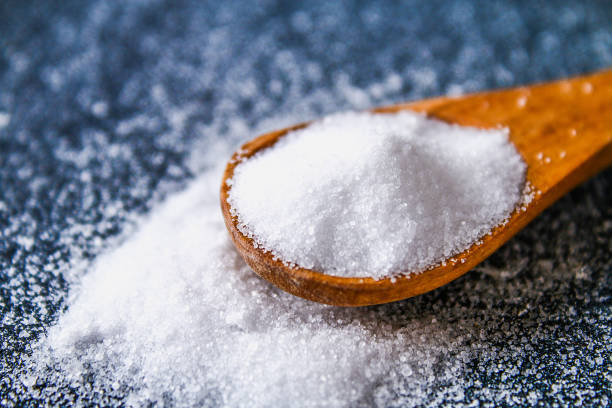
The World Health Organization (WHO) recommends that adults consume less than five grams which is (less than one teaspoon) of salt per day. An estimated 2.5 million deaths could be prevented each year, if global salt consumption were reduced to the recommended level.
Speaking to Iwomantoday magazine, Food Science and Technology expert, Mary Wambui explained that salt in the diet can be found naturally in a variety of foods like milk, meat and processed foods, added to the food during cooking or at the table, with primary contributors to dietary sodium consumption depending on the cultural context and dietary habits of a population.
Wambui stated that with the increasing availability and affordability of highly processed foods, people around the world are consuming more energy-dense foods high in trans-fats, sugar and salt which lead to health complications.
She said that as a consumer, it is important to monitor individual salt intake, analyze the sources of salt in your diet and acquire consumer knowledge, attitudes and behaviours relating to salt in order to make sober decisions.
“Improving dietary habits is a societal as well as an individual responsibility and by making small changes to our diet, we can greatly reduce our risk of serious health issues”, stated Wambui.
Dr Margaret Muthesi, a private cardiologist at Kenyatta National Hospital explained that increased salt consumption provokes water retention, thus leading to a condition of high flow in arterial vessels termed as high-blood pressure or hypertension.
“It is important to try to stay within recommended ranges of the salt measurements, consuming more affects our body’s ability to perform efficiently”, advised Muthesi.
She highlighted that more than half (fifty-six percent) of the adult population has never had their blood pressure measured yet one in every four Kenyans is living with hypertension.
“The huge amounts of salt consumed daily is a ‘silent killer’ because hypertension frequently goes undiagnosed as it often has no signs or symptoms, thereby damaging major organs such as the brain, heart and kidneys”, Muthesi said.
She further stressed that while exercising consciousness in the foods we consume, it is equally important to watch over our levels of blood pressure.
Reducing salt intake has been identified as one of the most cost-effective measures countries can take to improve population health outcomes; as it not only decreases the blood pressure and the incidence of hypertension but is also associated with a reduction in morbidity and mortality from cardiovascular diseases.
Experts have further recommended one to avoid processed foods by replacing salt and condiments that are high in sodium with other seasonings such as garlic, lemon and peppers or switching to a reduced sodium alternative like potassium salts which has a beneficial effect on your blood pressure.
Even though changing of any diet is not a walk in the park, small steps to reduce salt intake will have great effect on your overall health.
By: Moffin Opilio
Edited: By Fatma Adam